Call us Anytime
+8613570976228



Air Source Large Horizontal Integrated Type Ozone Generator
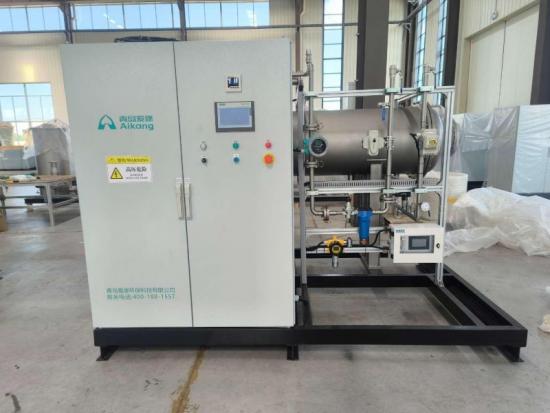
Ozone Capacity:
2kg/hOzone Concentration:
25mg/LAir Flow:
81Nm3/hAir Source:
AirPower Consumption:
16-18 kwh/kg O3Cooling Water Volume:
≤8m3/hAir Source Large Horizontal Integrated Type Ozone Generator
Brief Introduction
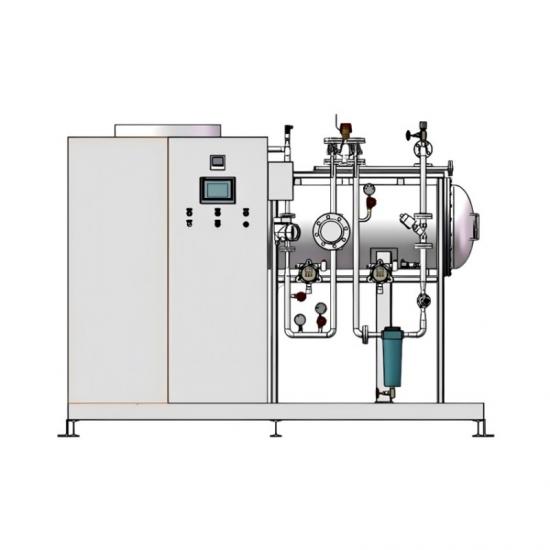
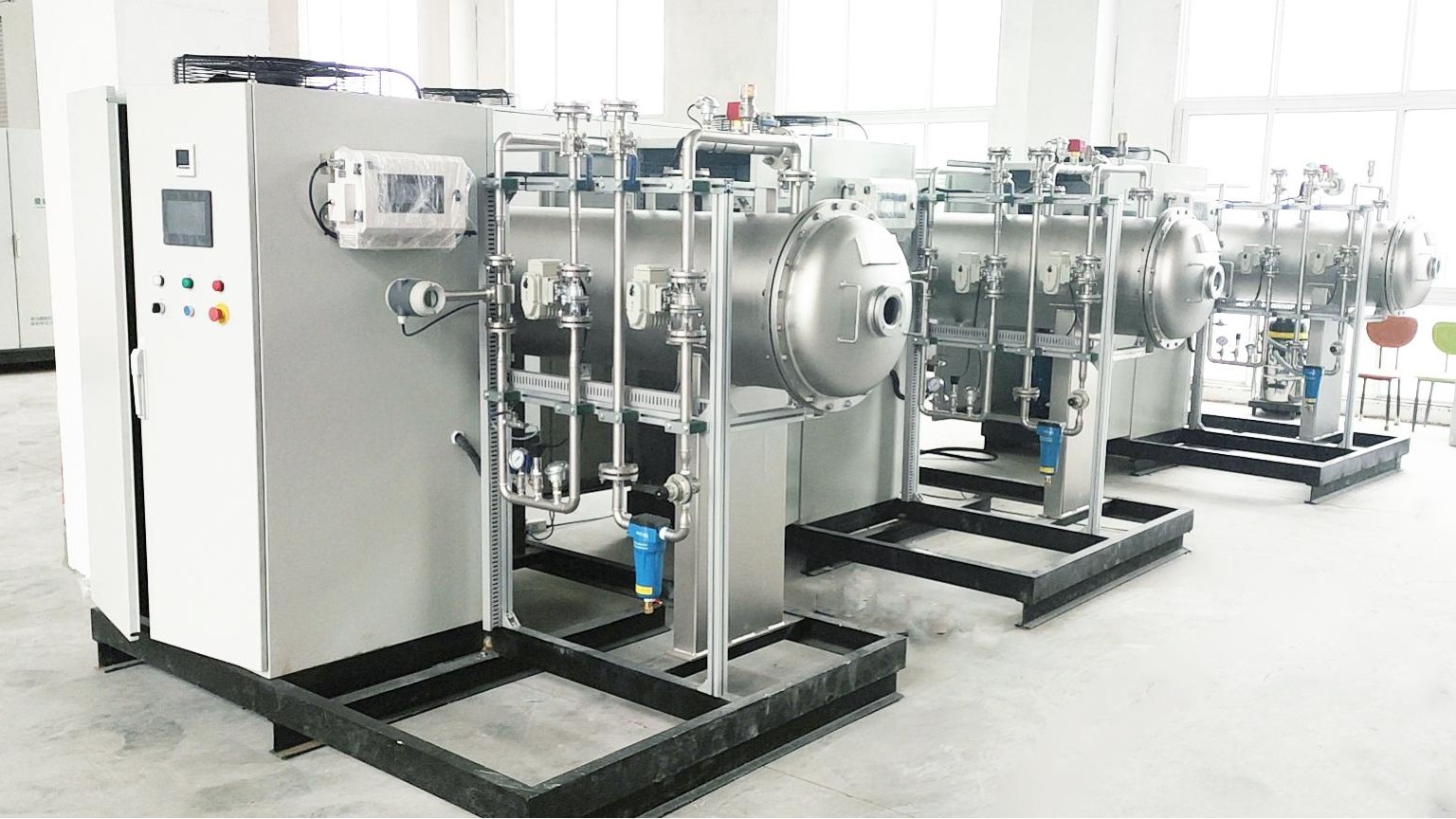
Air Source Large Horizontal Integrated Type Ozone Generator chamber and ozone generating unitare made of 3l6L material, the overall material is not lessthan 304 stainless steel, and the sealing and insulationparts are made of PTFE and fluorine rubber.
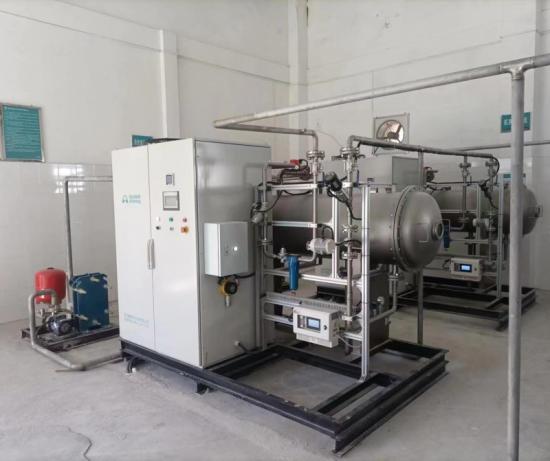
The ozone power supply cabinet and the generator roomare placed on the same base, and all the pipelines andinstruments are connected at the factory, which iscompact and can greatly reduce the floor space and on-site construction time. The horizontal generator chamberis easy to maintain and observe, and the air-cooleddesign of the variable frequency power supply is safe andreliable. Equipped with Siemens PLC as standard, it canbe equipped with a variety of automatic controlinstrument valves, including temperature, pressure, flow.concentration detection, and control valves, to minimizeenergy consumption while meeting customer needs.
The main components of an ozone gene ration chamber are as follows :
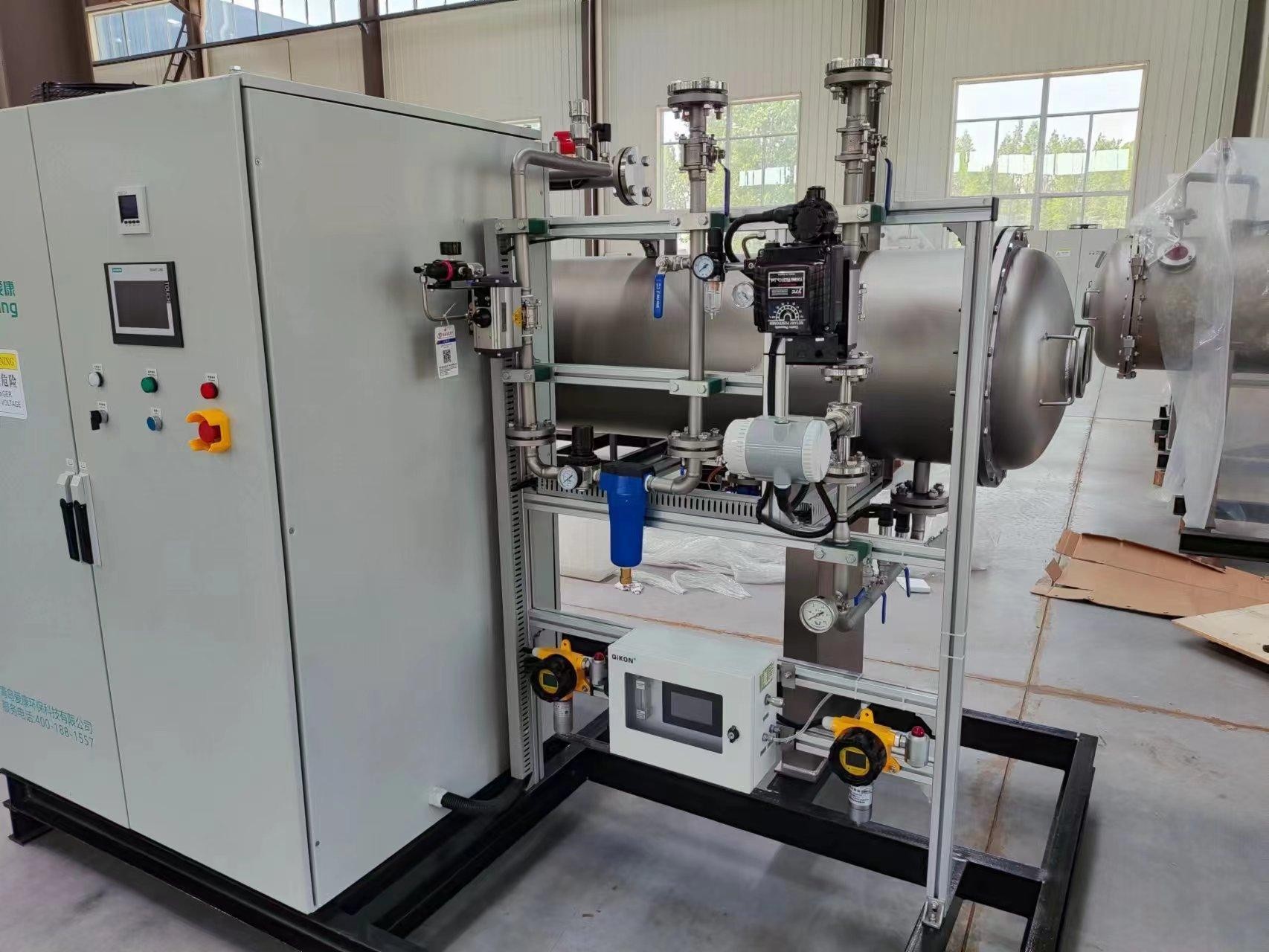
1. Oxygen filter: Remove impurities and particulate matter from the gas source to ensure the purity of the gas entering the generating chamber, thereby improving the efficiency of ozone generation and the service life of the equipment.
2. Oxygen Regulator: Ensure that the oxygen pressure entering the corona di s charge chamber is stable within the desired range.
3. Relief Valve: In order to prevent the system pressure from exceeding the safety limit, thus protecting the safety of equipment and operators.
4. Pneumatic on-off Valve: It i s used to control the on/off of oxygen and ensure the smooth operation of the ozone generation process.
5. Pneumatic Control Valve: It i s not only used to control the on/off of oxygen, but al so to precisely regulate the flow and pressure of oxygen to optimize the ozone generation process.
6. Vortex Flow Meter: It is a commonly used flow measurement instrument for accurately measuring the flow of oxygen into the corona discharge chamber. The role of vortex flowmeters is very important to ensure the stability and efficiency of the ozone generation process .
7. Pressure Transmitter: It is an important sensor used to monitor the pressure in the system in real time, and convert the pressure signal into an electrical signal and transmit it to the control system
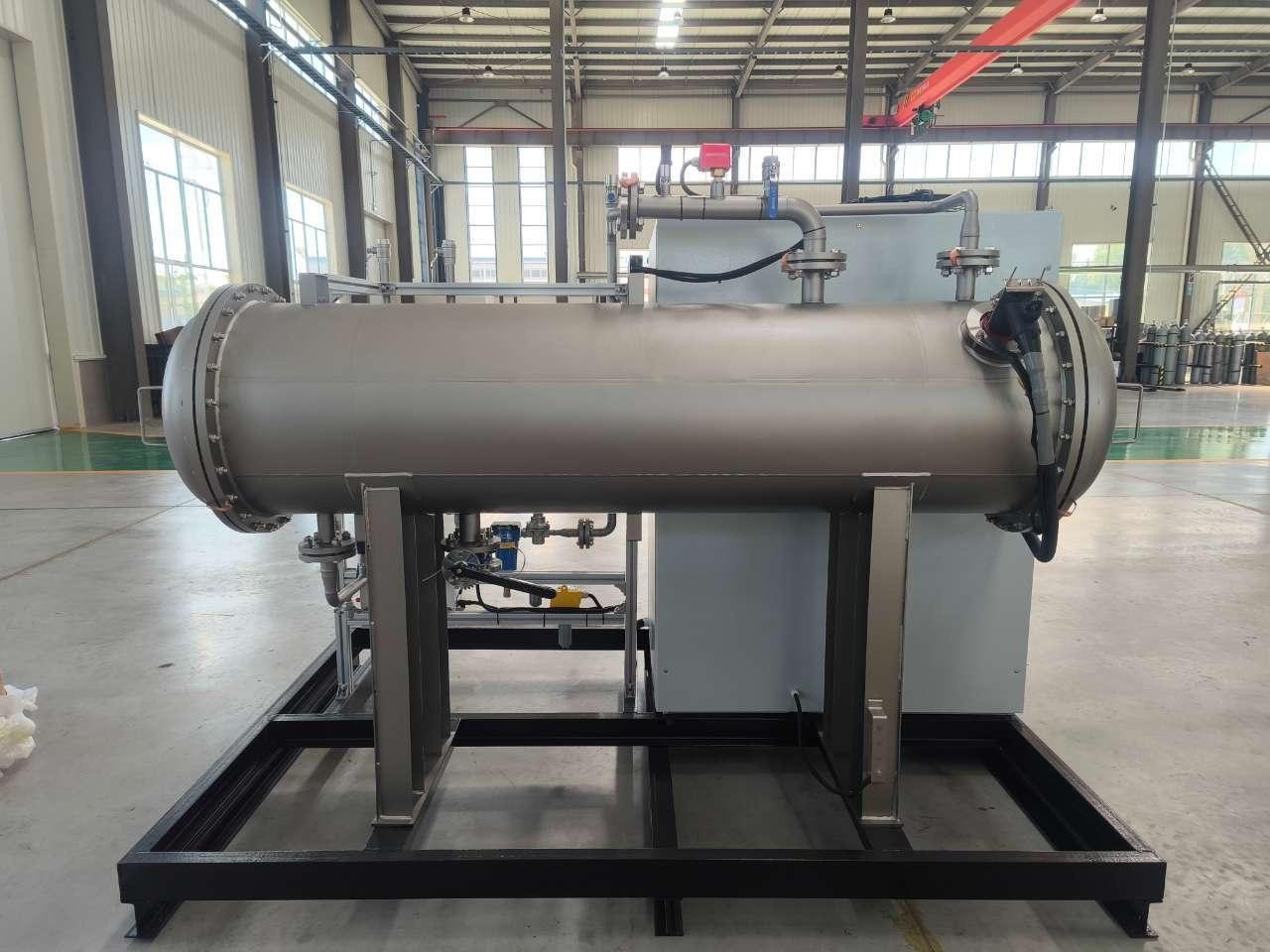
8. Temperature Transmitter: It is used to monitor the temperature of ozone in real time and convert the temperature signal into an electrical signal and transmit it to the control system.
9. Cooling Water Temperature Sensor: It is used to monitor the temperature of cooling water in real time. The function of the cooling water is to take away the heat generated during the corona discharge process, ensuring that the temperature of the corona discharge chamber and related equipment is kept within a safe range.
10. Water Flow Switch: It is an important safety device used to monitor the flow of cooling water and ensure the normal operation of the cooling system. The role of the water flow switch is very important to prevent overheating and damage to the equipment due to insufficient cooling water flow.
11. Local Pressure Gauge: Ensure that operators are able to monitor and control the system's pressure in real time.
12. Ozone Concentration Detector: It is used to measure and monitor the concentration of ozone in real time.
13. Dew Point Meter: It is used to measure and monitor the dew point temperature of gases (usually oxygen) entering the corona discharge chamber in real time.
14. Valves and Base Plate: Valves are used to manage and regulate the flow of gases, usually oxygen; and the base serves to support and hold the ozone generator and its associated components.
Specifications
| Type | Ozone Production(kg/h) 2wt% 25mg/L |
Air Flow(Nm3/h) 2wt% 25mg/L |
Power Consumption (kWh/kg O3) |
Cooling Water Volume(m³/h) |
Generator Chamber /Power Cabinet W*D*H(mm) Size |
Reference Net Weight (MT) |
Air Inlet and Outlet |
Water Inlet and Outlet Diameter |
| AKA-1KG | 1 | 41 | 16-18 | ≤4 | 2400*1600*1800 | 1.8 | DN25 | DN32 |
| AKA-1.5KG | 1.5 | 61 | 16-18 | ≤6 | 2400*1600*1800 | 1.9 | DN25 | DN40 |
| AKA-2KG | 2 | 81 | 16-18 | ≤8 | 2400*1700*1800 | 2.1 | DN32 | DN50 |
| AK4-2.5KG | 2.5 | 101 | 16-18 | ≤10 | 2400*1700*1800 | 2.3 | DN40 | DN50 |
| AKA-3KG | 3 | 121 | 16-18 | ≤12 | 2600*1900*2000 | 2.5 | DN40 | DN50 |
| AKA-3.5KG | 3.5 | 141 | 16-18 | ≤14 | 2600*1900*2000 | 2.7 | DN40 | DN65 |
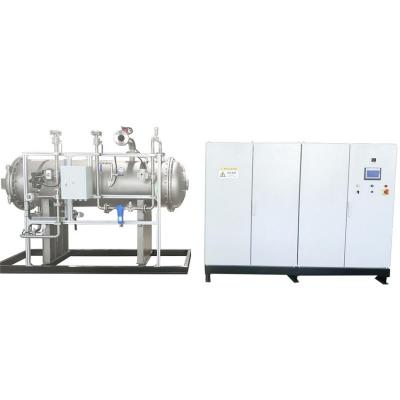
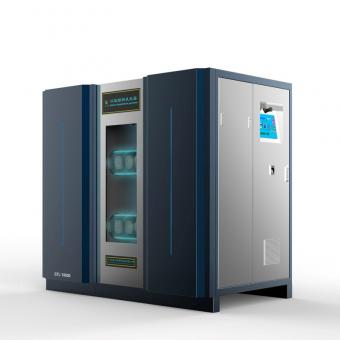
The ozone generation chamber and power cabinet are designed as separate units, allowing flexible placement and easy installation. Suitable for large-scale ozone generators.
View More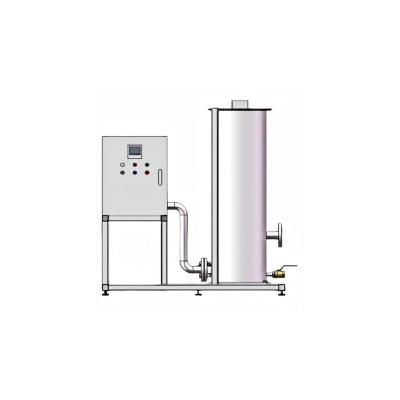
With a compact integrated design, the ozone heatingcatalytic decomposition unit, control panel and induceddraft fan are mounted on a welded steel frame, and theinside of the equipment has been filled with catalysts asrequired.
View More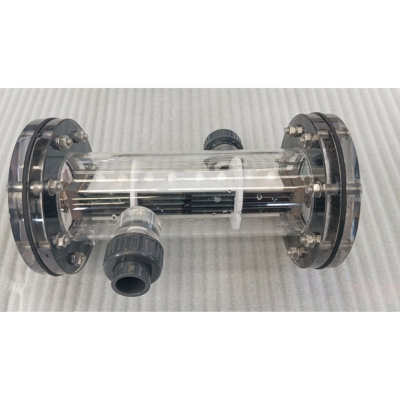
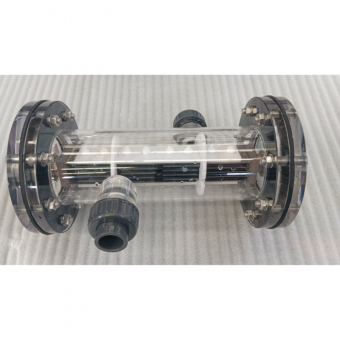
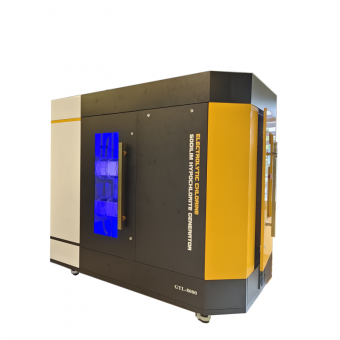
The polarity reverse titanium electrolytic cell is utilized in sodium hypochlorite generators. Sodium hypochlorite solution is produced by electrolyzing a sodium chloride solution without a membrane and then diluting it. This technology is suitable for various applications including sodium hypochlorite generators, water treatment equipment, and electrolytic disinfection equipment.
View More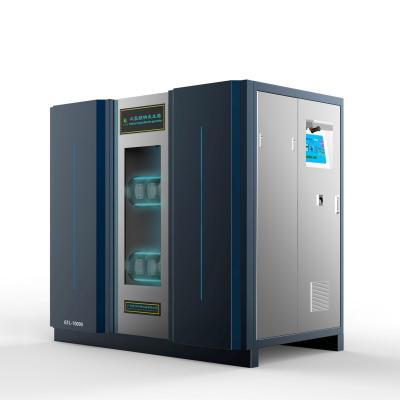
On-site generation of chlorine disinfectants offers a safe, cost-effective, and efficient water treatment solution. Suitable for diverse applications—from potable water purification to cooling tower microbiological control—it enables the production of disinfectant precisely when and where it's needed.
View More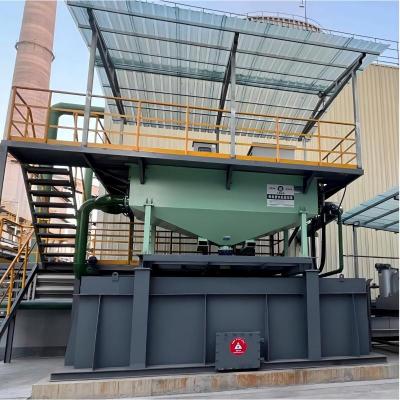
Electrochemical Recirculating Water Treatment System not only has the anti scaling, sterilization, algae killing, corrosion inhibition and other properties that can be achieved by chemical circulating water treatment, but also has functions such as scale removal, scale dissolution, and degradation of organic substances, thereby achieving the effects of increasing concentration ratio, reducing emissions, saving water and electricity in an environmentally friendly manner.
View More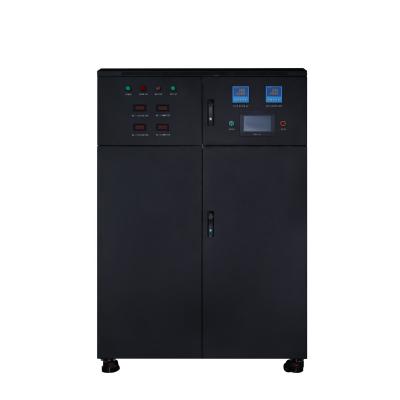
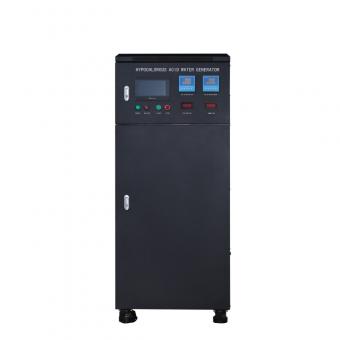
Hypochlorous acid generator is a system which is produced by electrolysis of tap water through water purification system and is produced by a special electrolytic cell. The system produce hypochlorous acid (HOCl) with pH (5~6.5), redox potential (ORP value +750mv or more) and available chlorine (50~60mg/L), also produce sodium hydroxide (NaOH) with PH (10~12), redox potential(ORP value -800~900 mv).
View More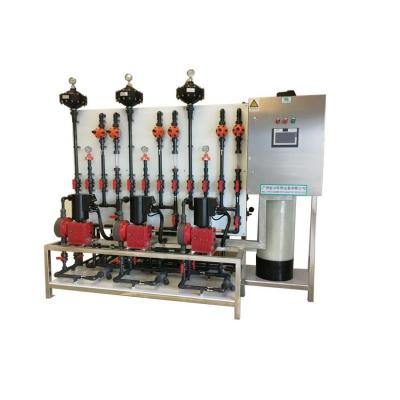
The sodium hypochlorite dosing system is configured with a softened water dilution function todilute the storage concentration of sodium hypochlorite to less than 5%
View More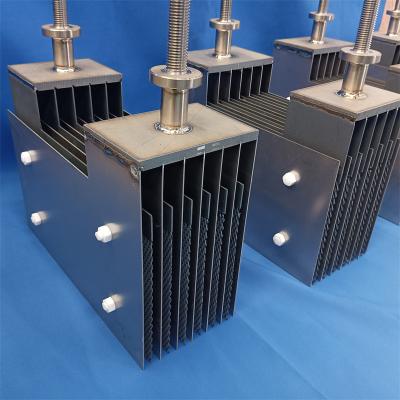
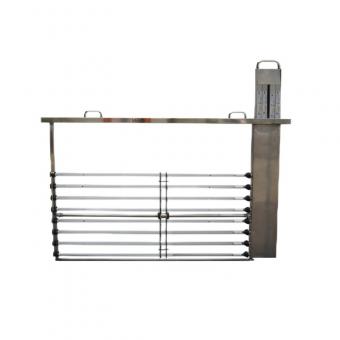
Coating titanium anode is also referred to as Mixed Metal Oxide (MMO) titanium anode and Dimensionally Stable Anode (DSA), as well as Dimensionally Stable Electrode (DSE). By brushing precious metal coating on the titanium substrate, it can have a good electric catalytic activity and electrical conductivity.
View More
Copyright @ Esegen (Guangzhou) Technology Co., Ltd All Rights Reserved.
 Network Supported