Call us Anytime
+8613570976228



Why do two seemingly identical titanium anodes perform so differently in the same industrial process? The answer lies in the MMO Coating Electrode technology—specifically, the proprietary mixed metal oxide layer applied to the titanium substrate. The choice of noble metal—ruthenium, iridium, or platinum—fundamentally alters electrode behavior.
Selecting the right coating requires understanding the dominant electrochemical reaction, electrolyte chemistry, current density, and operating temperature. This guide compares three primary MMO coating types, explains their strengths and weaknesses, and provides a practical framework for optimal coating selection.
Your application's specific demands determine which coating delivers superior performance. These electrodes serve distinct roles across industries, and knowing these differences prevents costly missteps.
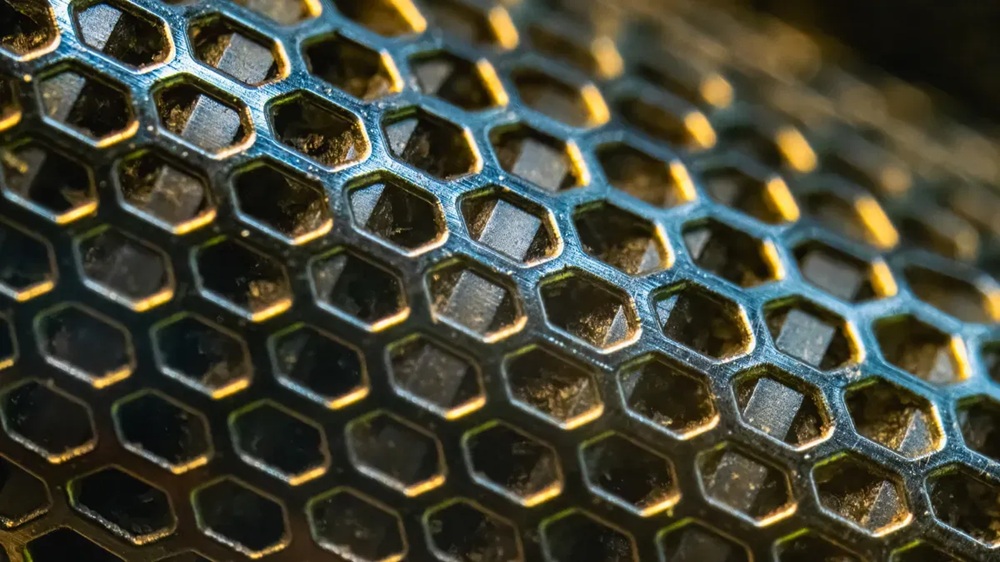
MMO stands for Mixed Metal Oxide, and this technology transforms ordinary titanium into a highly efficient MMO Coating Electrode. Manufacturers apply a proprietary oxide layer onto a titanium substrate, typically meeting ASTM B265 Grade 1 standards. This construction creates what industry professionals call a dimensionally stable anode—an electrode that maintains its shape and performance throughout its operational life.
The noble metal component determines everything about your electrode's behavior. Ruthenium, iridium, and platinum each possess distinct catalytic properties that make them suitable for specific electrochemical reactions. Ruthenium oxide excels at chlorine evolution with remarkably low overpotential. Iridium oxide provides exceptional stability in oxygen-evolving environments. Platinum offers unmatched corrosion resistance under extreme conditions.
Your choice of noble metal directly controls the electrode's selectivity. A Ruthenium Iridium Coating Electrode combines ruthenium's catalytic activity with iridium's durability, making it a versatile option for water treatment applications. The catalytic layer accelerates the desired reaction while suppressing competing side reactions, which directly impacts your system's energy efficiency and product purity.
The titanium substrate must meet strict quality standards before receiving any coating. ASTM B265 Grade 1 titanium provides the foundation for reliable electrode construction. The surface preparation process follows a specific sequence:
The titanium substrate used for MMO coated anodes in this application meets ASTM B265 Grade 1 standards, ensuring proven performance equivalent or superior to other mixed metal oxide coatings.
Coating thickness directly correlates with operational lifespan. A thicker oxide layer provides more catalytic material for the reaction, which means the electrode lasts longer before requiring replacement. However, thicker coatings also increase manufacturing costs significantly. You must balance your application's design life against your budget constraints.
The coating process demands precision at every stage. Each layer must bond completely to the substrate, and the final oxide structure must maintain consistent conductivity across the entire surface. These mmo coating titanium sheets anode products undergo rigorous quality control to verify uniform coverage and proper adhesion. The relationship between coating thickness, conductivity, and cost ultimately determines which electrode configuration delivers the best value for your specific operation.
The dominant electrochemical reaction in your process dictates which noble metal oxide you should specify. Chlorine evolution and oxygen evolution demand fundamentally different catalytic surfaces. Selecting the wrong formulation forces your system to fight the electrode's natural tendencies, wasting energy and shortening service life. Understanding these distinctions separates a well-designed operation from one plagued by premature failures.
Ruthenium-based coatings deliver the lowest overpotential among all MMO formulations for chlorine evolution. This characteristic makes them the preferred choice for chlor-alkali production and seawater electrolysis. When your electrolyte contains high chloride concentrations, ruthenium oxide catalyzes the chlorine reaction with remarkable efficiency, reducing cell voltage and cutting energy consumption substantially.
These ruthenium-titanium coated electrodes handle current densities up to 800 A/m² while maintaining service lives between 2 and 6 years. Their versatility across chloride, sulfate, and carbonate media makes them adaptable to changing feedstocks. In alkaline conditions, they tolerate operating temperatures up to 70°C without significant degradation. The upfront cost remains moderate compared to other formulations, which explains their widespread adoption in industrial chlorine production.
However, you must recognize their critical weakness. Ruthenium dissolution accelerates at high current densities, particularly when oxygen evolution competes with chlorine generation. In oxygen-evolving environments, the coating depletes rapidly, and you lose the economic advantage that made it attractive initially. The key performance metrics for comparing these systems include anode life, cell voltage, and current efficiency—each directly tied to your operating parameters.
Iridium-based coatings excel where ruthenium fails: oxygen evolution in aggressive environments. These formulations provide superior stability in acidic conditions and withstand substantially higher current densities—up to 2000 A/m² for high-speed variants. Service life extends from 3 to 8 years depending on your specific operating conditions. This durability makes iridium the standard for water treatment and cathodic protection applications.
The coating process for iridium formulations typically combines iridium oxide with tantalum oxide to create a stable, conductive matrix. This ruthenium-iridium oxide combination appears frequently in mixed formulations, balancing catalytic activity with long-term resilience. For impressed current cathodic protection systems, the design life depends on coating depletion rates. At the standard design rate of 16 mA/m², coating consumption remains under 1 g/m²/year, with precious metal loading between 5 and 15 g/m² of IrO₂ plus Ta₂O₅ determining total charge capacity.
|
Anode Configuration |
Stated Design Life |
Demonstrated Field Performance |
|
MMO titanium mesh |
50–75+ years |
>30 years (since 1987) |
|
MMO titanium ribbon |
50+ years |
>25 years |
These mmo coating titanium sheets anode products demonstrate remarkable longevity in real-world installations. The table above shows field data confirming that theoretical design lives translate into practical results. For wastewater treatment facilities, a Ruthenium Iridium Coating Electrode offers balanced performance, combining ruthenium's catalytic activity with iridium's structural stability.
When you evaluate coated electrodes for oxygen evolution, consider the electrolyte chemistry carefully. Iridium maintains excellent chlorine evolution reaction characteristics with low chlorine overpotential, making it versatile across multiple applications. However, its maximum operating temperature in alkaline media reaches only 60°C, above which stability diminishes. The trade-off between ruthenium's lower cost and iridium's superior corrosion resistance often determines the final specification. For most industrial operations requiring oxygen evolution, the extended lifespan of iridium-based coatings justifies their higher initial investment through reduced replacement frequency and lower downtime costs.
When your electrolyte chemistry pushes beyond the tolerance of standard oxide formulations, a Platinum Coating Titanium Anode becomes the only viable option. This coating delivers the highest level of corrosion resistance available in dimensionally stable anode technology. You can deploy these electrodes in highly aggressive electrolytes where ruthenium or iridium formulations would fail within weeks.
Platinum's noble character explains its exceptional stability. The metal resists attack from nearly all industrial chemicals, including concentrated acids and oxidizing agents. This inherent durability translates directly into extended service life for your operation. Unlike oxide coatings that deplete gradually through electrochemical consumption, platinum maintains its catalytic surface integrity under conditions that would strip lesser coatings entirely.
However, you must respect the voltage limitations of this technology. The titanium substrate beneath the platinum layer has its own electrochemical threshold. When your cell voltage exceeds 10V in chloride-containing electrolytes, the titanium surface begins to dissolve slightly at the contact points with the platinum coating. This subtle degradation accelerates as voltage rises. At 12V, complete breakdown occurs—cell pressure becomes unmeasurable, current cannot increase further, and the anode suffers permanent damage.
|
Voltage Threshold |
Observed Effect on Anode |
|
Exceeds 10V |
Titanium surface in contact with platinum coating begins to dissolve slightly |
|
12V |
Complete breakdown occurs; cell pressure cannot be accurately measured and current cannot be increased, resulting in anode damage |
This breakdown mechanism explains why proper system design matters more than coating selection alone. You must engineer your electrochemical cell to maintain operating voltages safely below these thresholds.
The economics of platinum coatings demand careful scrutiny. These electrodes carry a substantially higher price tag than their oxide counterparts. Yet for niche applications like specialized electroplating and chemical synthesis, the investment often proves justified. The coating process for platinum differs fundamentally from oxide deposition, requiring different application techniques and quality control protocols.
When factoring in lifespan, current density capability, and maintenance downtime, MMO anodes typically deliver 30–50% lower total cost of ownership in high-volume plating lines over a 10-year period compared to platinum-coated anodes.
|
Metric |
Platinum-Coated Anode |
Iridium-Coated (MMO) Anode |
|
Indicative Upfront Cost (per m²) |
$800–$2,500 |
$150–$600 |
|
Service Life in Electroplating (Chrome) |
3–5 years |
5–8 years |
|
Maintenance & Failure Mode |
Sudden failure; cannot be re-coated |
Gradual degradation; can sometimes be re-coated |
The comparison reveals a counterintuitive reality. Despite platinum's superior corrosion resistance, its sudden failure mode creates operational risks. When a platinum electrode fails, it stops working without warning. An iridium-based mmo coating titanium sheets anode degrades gradually, giving you time to plan replacement during scheduled maintenance. This predictability reduces downtime costs significantly.
For most industrial applications, the increased durability of iridium formulations delivers better corrosion resistance at a fraction of platinum's cost. The coating process for MMO electrodes also allows for more flexible formulation adjustments. Unless your electrolyte chemistry absolutely demands platinum's extreme stability, you will likely achieve superior economic performance with advanced oxide coatings. The Ruthenium Iridium Coating Electrode represents this balanced approach, offering both catalytic activity and structural resilience for demanding environments.

Current density and electrolyte chemistry act as the primary determinants of coating selection. When you exceed the design current density for your MMO Coating Electrode, you accelerate coating wear and raise the stress from oxygen or chlorine evolution. Good coating adhesion preserves stable performance under high current densities, reducing flaking and premature failure. The durability of your coated electrodes depends on a combination of factors: electrolyte type and contaminants, temperature, current density, coating chemistry, thickness, and substrate quality. Higher current-density-capacity coatings, such as IrO₂/RuO₂ blends, offer longer mmo lifespan, which implies a lower effective wear rate over time. For your application, matching these parameters correctly ensures reliable performance.
Electrolyte chemistry determines which noble metal oxide provides optimal performance and longevity. Chloride-rich environments favor ruthenium-based coatings for efficient chlorine evolution. Sulfate or oxygen-evolving conditions demand iridium-based formulations for stability. The ruthenium-iridium oxide combination appears frequently in mixed formulations, balancing catalytic activity with structural resilience. You can tailor custom mmo formulations to specific operating conditions, such as different electrolyte chemistries and current densities, to maximize efficiency. This coating process flexibility allows you to optimize conductivity and corrosion resistance for your exact needs. When evaluating coated electrodes, consider the mmo coating's durability in your specific electrolyte.
You must calculate the operating current density before selecting any mmo coating. Higher densities require more robust formulations like iridium or platinum. The mmo coating titanium sheets anode design must accommodate your system's peak demands without exceeding the coating's rated capacity. Electrolyte chemistry directly influences which ruthenium-iridium oxide blend works best. For water treatment facilities, the Ruthenium Iridium Coating Electrode offers a balanced solution, combining ruthenium's activity with iridium's stability. This coated electrode handles varying chemistries while maintaining consistent conductivity.
Exceeding the design current density accelerates coating wear and raises oxygen/chlorine evolution stress. Good adhesion preserves stable performance under high currents, reducing flaking and early failure.
Operating temperature accelerates chemical reactions and coating degradation above certain thresholds. Higher temperatures increase the wear rate, requiring coatings with increased durability. The ruthenium-iridium oxide formulation maintains stability up to moderate temperatures in alkaline media. pH levels determine which oxide remains stable. Acidic environments favor iridium-based coatings for corrosion resistance. The coating process for extreme conditions may require Platinum Coating Titanium Anode technology. These premium electrodes withstand aggressive electrolytes where standard mmo formulations would fail. You must evaluate both temperature and pH to ensure your coated electrodes deliver their intended lifespan.
Your selection process determines whether your operation runs efficiently for years or fails prematurely within months. A systematic approach eliminates guesswork and ensures your investment delivers maximum return. The decision framework below guides you through each critical consideration.
Step 1 – Match the coating to your electrolyte. Select RuO₂-IrO₂ for chloride-containing electrolytes below 90°C, including chlor-alkali and seawater operations. Choose IrO₂-Ta₂O₅ for PEM electrolysis above 50°C and sulfuric acid media. Avoid PbO₂ in chloride electrolytes entirely. No universal MMO Coating Electrode formulation performs optimally across all media.
Step 2 – Specify both design and maximum transient current density. Underspecifying accelerates coating degradation and forces 2–4× more frequent anode replacement. Overspecifying adds unnecessary cost. Reference these typical ranges for your application:
|
Application |
Typical Current Density (A/m²) |
|
Chlor-alkali membrane cells |
300–600 |
|
Sodium hypochlorite generation |
200–500 |
|
PEM water electrolysis |
1,000–3,000 |
|
Electroplating (decorative) |
100–300 |
|
Electroplating (hard chrome) |
400–800 |
|
Cathodic protection |
20–100 |
|
Copper electrowinning |
150–350 |
Step 3 – Compare total cost of ownership, not upfront price. For continuous production electrolyzers operating at 400 A/m², MMO anodes deliver lower total cost over 5–10 years despite shorter individual lifespan. Initial cost runs 4–8× lower than platinum, and replacement expenses offset against that savings. Platinum justifies itself only in high-purity environments where zero contamination risk matters critically.
Step 4 – Replicate your existing anode geometry. Mixing plate, mesh, tube, or basket configurations within one cell creates uneven current distribution and premature wear. Upgrade geometry only when you upgrade the entire cell simultaneously.
Step 5 – Validate your supplier rigorously. Require quotes stating current density, electrolyte temperature, and accelerated life test data at 1.5–2× design current density. Confirm titanium substrate grade meets ASTM Grade 1 or 2 standards. Demand written performance warranties tied to your operating parameters.
|
Coating Type |
Best For |
Avoid When |
Typical Life |
|
RuO₂-IrO₂ |
Chlor-alkali, sodium hypochlorite, seawater |
High-temperature acid (>80°C with H₂SO₄) |
4–8 years in brine |
|
IrO₂-Ta₂O₅ |
PEM electrolysis, H₂SO₄, metal finishing |
Strong chloride brines at high current density |
6–12 years in PEM |
|
PbO₂ |
H₂SO₄ electrowinning, chromic acid |
Chloride electrolytes |
2–5 years |
|
Pt |
Analytical, pharmaceutical, high-purity |
High-current industrial production |
10–20 years |
Energy efficiency directly impacts your operating costs. Ruthenium-iridium oxide coatings exhibit lower overpotential for chlorine evolution than iridium-tantalum formulations. Lower overpotential reduces electricity consumption across the electrode's entire lifespan. The activation energy for ruthenium sits at 0.7–0.8 eV, while iridium achieves 0.4–0.5 eV—meaning less energy required for the reaction and lower operational expenses.
Ruthenium-titanium coated electrodes provide good stability in neutral and alkaline conditions, extending service life and reducing replacement frequency. Extended lifespan minimizes maintenance costs and operational downtime. These ruthenium-titanium coated electrodes balance catalytic activity with structural resilience for demanding environments.
For wastewater treatment applications specifically, a Ruthenium Iridium Coating Electrode offers the optimal compromise. The ruthenium component delivers high catalytic activity for efficient chlorine generation, while iridium provides corrosion resistance that extends operational life. This combination reduces your total cost of ownership through fewer replacements and lower energy consumption.
|
Property |
Ruthenium |
Iridium |
Operational Impact |
|
Catalytic Activity (CER) |
Relatively high |
High, significantly improved |
Lower overpotential cuts electricity use |
|
Chemical Stability |
Moderate, prone to pitting |
Excellent, corrosion-resistant |
Longer lifespan reduces replacement costs |
|
Cost |
Relatively low |
Extremely high |
Higher initial cost offset by efficiency gains |
|
Activation Energy |
0.7–0.8 eV |
0.4–0.5 eV |
Less energy required, lower operating costs |
Your coating selection ultimately determines your system's efficiency, durability, and profitability. The mmo coating titanium sheets anode option with platinum coating remains viable only for specialized high-purity applications. For most industrial operations, ruthenium-iridium oxide formulations deliver superior economic performance. Evaluate your electrolyte chemistry, current density requirements, and design life against the framework above. This systematic approach ensures your high-performance electrodes operate reliably for their intended lifespan while minimizing both capital expenditure and ongoing operational costs.
Your coating selection ultimately determines electrode success. Ruthenium excels at chlorine evolution, while iridium provides robust stability for oxygen evolution. Platinum offers unmatched corrosion resistance for extreme environments. These distinctions define your mmo coating electrode's performance and lifespan.
Select systematically: identify your primary reaction first, then evaluate electrolyte chemistry, current density, and operational lifespan. A thicker coating extends service life but increases cost. For highly corrosive or specialized application, exploring premium options like Platinum Coating Titanium Anode proves worthwhile. The right mmo coatings balance upfront investment against long-term savings, delivering reliable durability across your electrodes' intended lifespan. Ruthenium-iridium oxide formulations often provide the optimal compromise for water treatment systems, combining catalytic activity with structural resilience.
Start by identifying your dominant electrochemical reaction. Chlorine evolution demands ruthenium-based formulations. Oxygen evolution requires iridium-based chemistry. For aggressive electrolytes, platinum offers maximum protection. Review your electrolyte composition, current density, and operating temperature before selecting any MMO Coating Electrode configuration.
Exceeding your design current density accelerates wear significantly. High temperatures above specified limits degrade oxide bonds. Contaminants in your electrolyte can poison catalytic sites. Poor substrate preparation creates weak adhesion points. Always verify your operating parameters match your coating's rated specifications before installation.
Titanium substrates can sometimes accept a fresh coating layer after complete removal of the old oxide surface. This process requires careful stripping and re-preparation. However, repeated recoating degrades substrate integrity over time. For most operations, replacing the electrode proves more cost-effective than recoating. Consult your supplier about recoating feasibility for your specific anode geometry.
Thicker coatings provide more catalytic material, extending operational life proportionally. A standard coating may last 3-5 years, while a heavy-duty formulation can double that duration. Your budget must balance against replacement frequency. For high-current operations, investing in thicker Platinum Coating Titanium Anode technology often reduces total ownership costs.
Regular cleaning removes scale buildup that blocks catalytic sites. Monitor cell voltage consistently; rising voltage signals coating depletion. Keep electrolyte chemistry within specified ranges to prevent accelerated wear. Periodic current density checks ensure you operate within design limits. These practices maximize your mmo coating investment and prevent unexpected downtime.
Copyright @ Esegen (Guangzhou) Technology Co., Ltd All Rights Reserved.
 Network Supported