Call us Anytime
+8613570976228



How Is UV Sterilization Technology Used Across Different Industries in 2026?
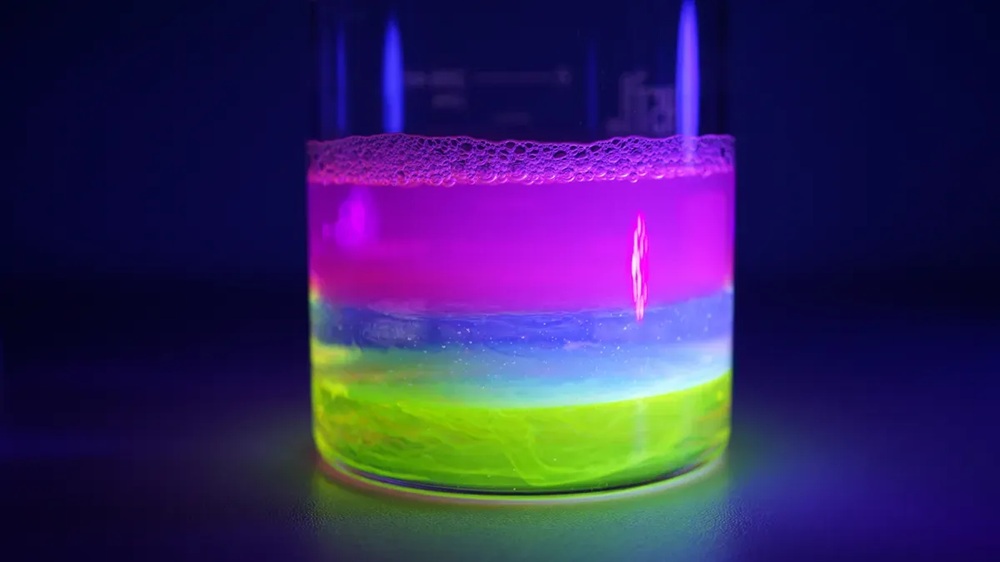
In 2026, UV Sterilization Technology is a standard method for disinfecting water, air, and surfaces across healthcare, food and beverage, water treatment, transportation, and hospitality. According to Persistence Market Research, the global UV disinfection equipment market is projected to reach US$4.1 billion in 2026. You may know UV disinfection has been used for many years. It received renewed attention during the COVID-19 pandemic because it can inactivate viruses such as SARS-CoV-2. Today, UV sterilization is no longer just a water treatment tool. It is now built into medical, food safety, HVAC, and public hygiene systems. This technology delivers chemical-free surface, air, and water sterilization. These applications continue to expand across industries.
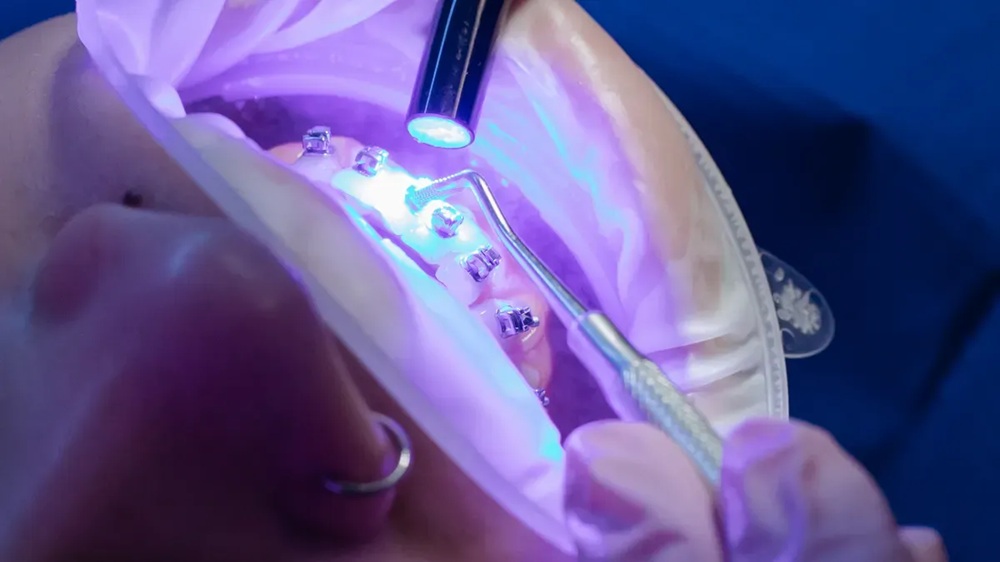
Healthcare facilities in 2026 rely on UV Sterilization Technology for a growing list of tasks. UVGI devices inactivate microorganisms in patient rooms, operating theaters, and medical equipment bays. UV-C light damages microbial DNA and RNA. Without intact genetic material, bacteria, viruses, and fungi cannot replicate. This process happens in seconds and leaves no chemical residue. Renewed interest in UV disinfection for airborne viruses such as SARS-CoV-2 pushed many hospitals to install overhead fixtures. These units cycle on after staff leave. They neutralize that pathogen in seconds. You get a consistent baseline of cleanliness between deep cleans. The technology now ranks as a standard component of hospital safety programs.
In a hospital or clinic, you can choose from several UV sterilization systems. Some look like portable towers. You roll them into rooms and run a timed cycle. Others sit inside ventilation ducts. They treat air before it reaches critical care zones. Portable towers also let you clean a room without moving furniture. For high-touch surfaces like bed rails and call buttons, handheld UV sterilization devices offer a quick supplement. UV disinfection solutions also appear in waiting areas. Air-handling units with built-in lamps reduce respiratory infections. A key benefit is repeatability. UV systems follow the same cycle every time. Infection control teams get predictable results. If you need continuous water protection, integrate a PLC control Automatic UV system into dialysis and surgical scrub water loops.
Medical devices present a different challenge. Many are heat-sensitive. Others contain electronic components. UV sterilization systems provide a low-temperature alternative to autoclaving. UV exposure kills microbes without warping plastic housings. It also reaches optical lenses that brushes cannot. Manufacturers now build sealed cabinets with UV sterilization systems. You load the device, close the door, and start a program. The cabinet logs exposure time and dose. Each cycle stores the date, time, and measured output. These records support internal quality audits. This microbial inactivation step is chemical-free. Surface sterilization of reusable probes reduces cross-contamination. The range of UV applications in healthcare keeps expanding. For facility-wide water safety, the same principle scales into the Ultraviolet Water Treatment System, which applies the method to high water flow rates.
Food and beverage producers face a constant challenge. They must kill microbes without leaving chemical residue on products or equipment. UV sterilization systems solve this problem. These systems use UV-C light to damage microbial DNA. The microbe cannot reproduce after exposure. You get reliable disinfection without heat or chemicals. This approach now protects everything from raw ingredients to sealed bottles.
You can mount UV lamps inside conveyor enclosures, filling heads, and mixing tanks. The light reaches surfaces that liquid sanitizers often miss. Stainless steel tanks, silicone tubing, and plastic containers all tolerate UV exposure well. A pathogen like Listeria or Salmonella cannot survive a properly dosed cycle. Food processing lines benefit most when you install UV units at critical control points. These points include the moment before filling and the moment after sealing.
Container treatment works differently. You direct UV light into cups, jars, or caps before product enters them. The dose must reach every interior surface. Rotating the container during exposure helps. This step achieves surface sterilization without wet chemistry. Many plants run UV sterilization systems alongside existing wash stations. The UV step adds a final kill layer. It also reduces the microbial load on reusable crates and totes.
Bottling lines demand speed and precision. UV-C treatment fits both needs. You can disinfect PET bottles, caps, and aseptic packaging in seconds. The table below shows the key parameters for these applications.
|
Parameter |
Value |
|
Decisive germicidal parameter |
Irradiation dose (mW*s/cm²) |
|
Effective UV-C dose range |
120–250 mW*s/cm² |
|
Achieved germicidal rate |
4-log reduction |
|
Required exposure time |
A few seconds |
|
Irradiation time (lamp distance 2–5 cm) |
0.2–0.3 seconds |
|
UV-C wavelength |
253 nm |
These figures apply to clear containers and caps. Colored or thick plastics may need a longer cycle. UV-C emitters also disinfect mineral water caps on high-speed lines. The same principle extends to drinking water and indoor air treatment. Food processing facilities that bottle sauces, juices, or dairy products rely on this method daily. The disinfection step adds no flavor change and no chemical byproduct. You simply install the lamps, set the dose, and run production.
When you operate a water treatment facility, you need a method that defeats every target microbe without chemicals. Ultraviolet (UV) light disinfection delivers that. UV-C light damages microbial DNA, so cells cannot divide. You get reliable disinfection with no byproducts or taste change.
A PLC control Automatic UV system provides repeatable sterilization without manual oversight. You set the target dose, and the controller runs the entire cycle. Many models include an optional UV intensity sensor that monitors lamp output. If the lamp degrades, the system alerts you before the dose drops. Color displays show lamp life and fault codes. These uv sterilization systems cover every water treatment scale.
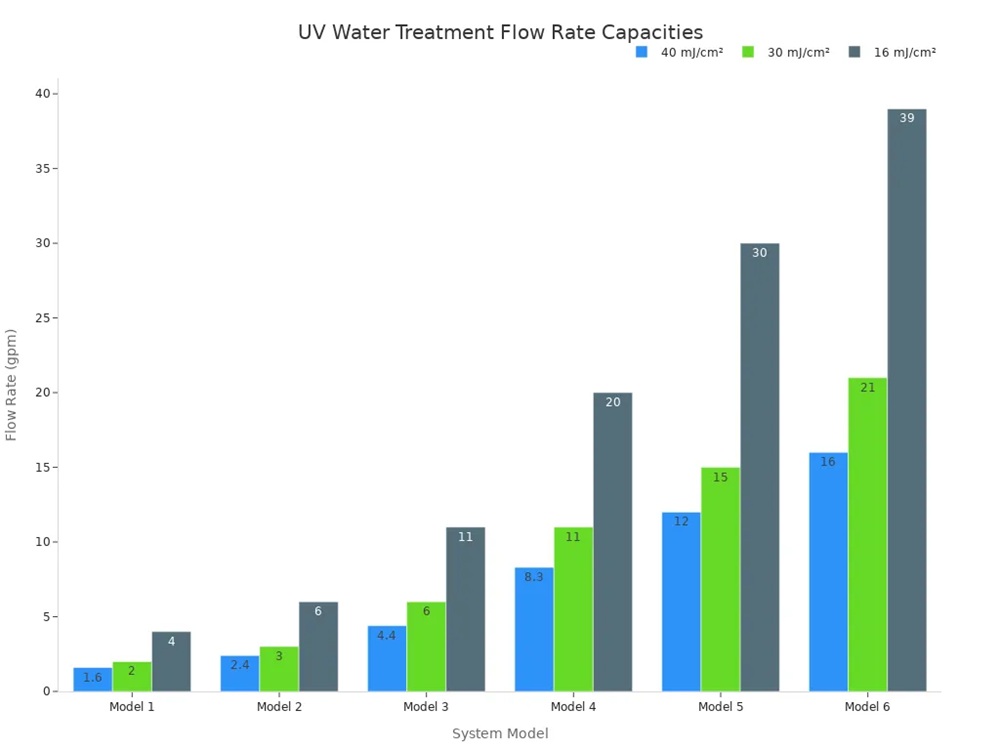
Flow capacity depends on your target UV dose. You can pick from six models at each level.
|
UV Dose |
Flow Rate Capacity (gpm) |
|
40 mJ/cm² |
1.6, 2.4, 4.4, 8.3, 12, 16 |
|
30 mJ/cm² |
2, 3, 6, 11, 15, 21 |
|
16 mJ/cm² |
4, 6, 11, 20, 30, 39 |
A dry-contact remote alarm links to your PLC or data logger. A 4-20 mA output sends the UV signal elsewhere. The expandability port accepts up to three modules, including WiFi logging and ultrasonic flow metering. These features support commercial water safety for drinking water lines and dialysis loops. Program the controller to close a solenoid valve on lamp failure, so untreated effluent never leaves the chamber. Engineers choose these uv sterilization systems for sensitive lines.
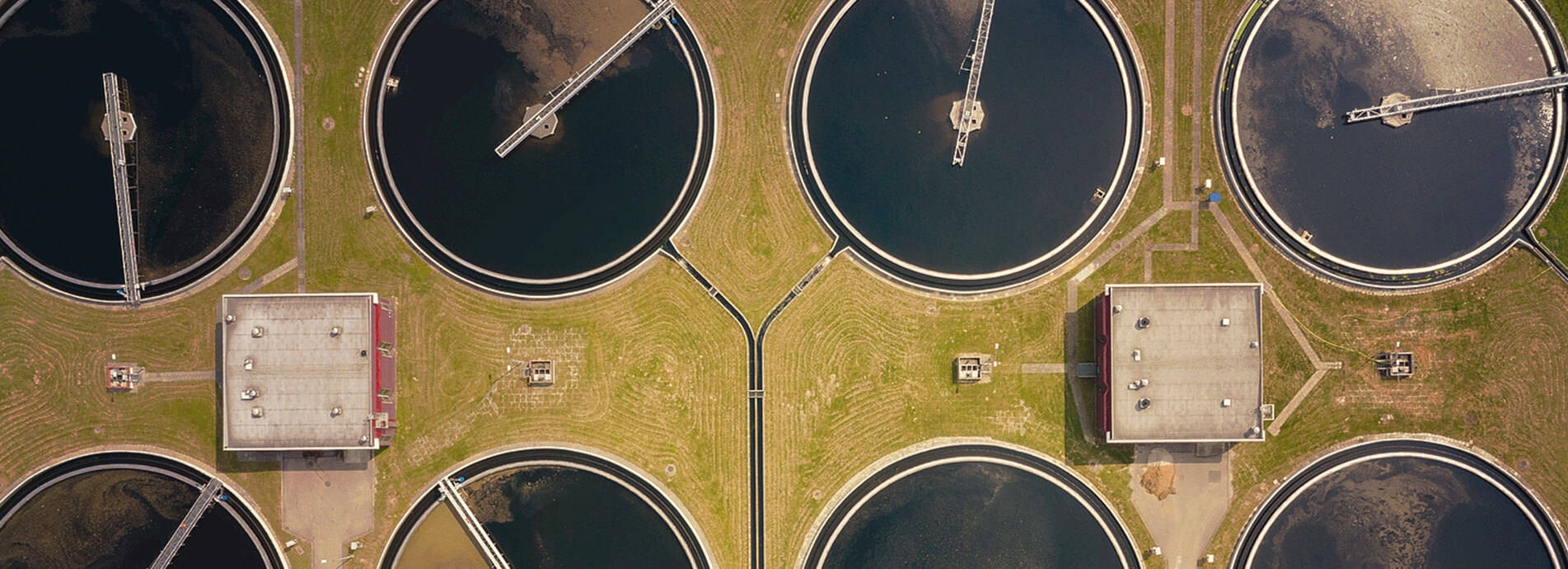
Municipal wastewater plants use uv disinfection as a tertiary treatment step. Treated effluent flows through UV chambers after biological treatment. The treated water meets reuse standards for industry. Many facilities also apply uv water treatment systems to drinking well water, drilling water potabilization, and salty or corrosive supply. These water and wastewater treatment operations depend on proven hardware.
For chlorine-resistant pathogen elimination, ultraviolet light works without residual chemistry. This trait makes industrial uv disinfection equipment valuable for high-flow applications. The same uv sterilization systems scale from compact residential units to large municipal plants. You can apply these uv disinfection solutions to cooling towers and irrigation channels. In 2026, uv sterilization technology and uv disinfection systems anchor a modern water and wastewater treatment strategy. They deliver dependable, chemical-free performance for uv water treatment.
Air purification has become a core function of uv light disinfection technology in 2026. You breathe recycled air in offices, schools, and hospitals every day. UV-C radiation at 100–280 nm damages microbial DNA and RNA. This damage stops pathogens from reproducing. The process supports continuous air purification without disrupting airflow.
You can install UV lamps near the evaporator coil or inside the return air duct. Air passes the lamps during each cycle. In-duct UV-C systems reduce mold and bacteria on irradiated HVAC surfaces by up to 99%. A hospital study reported influenza infection rates nearly 90% lower in buildings with germicidal UV systems. These results support infection control in commercial settings.
HVAC UVGI systems need a minimum of 0.25 seconds of exposure for photodimerization. Higher air velocity shortens residence time. You then need more UV-C energy to reach the target dose. ASHRAE provides a clear benchmark:
For airstream disinfection in HVAC systems, the target UV-C dose is 1,500 µJ/cm², applied at a maximum air velocity of 500 fpm with a minimum irradiated zone of 2 feet and a minimum exposure time of 0.25 seconds.
The table below shows the key parameters for sizing these uv sterilization systems.
|
Parameter |
Value |
Target / Condition |
|
UV-C dose for 90% (1-log) inactivation of SARS-CoV-2 |
611 µJ/cm² |
ASHRAE-cited value |
|
UV-C dose for 99% (2-log) inactivation of SARS-CoV-2 |
1,222 µJ/cm² |
ASHRAE-cited value |
|
Recommended conservative minimum dose |
1,500 µJ/cm² |
99% inactivation in air applications |
|
In-duct airstream disinfection irradiance |
Up to 10,000 µW/cm² |
Airborne pathogens |
|
Minimum exposure (residence) time |
≥ 0.25 seconds |
Airstream disinfection |
|
Maximum air velocity |
500 fpm |
With 1,500 µJ/cm² target dose |
|
Minimum irradiated zone length |
2 feet |
With 1,500 µJ/cm² target dose |
You raise UV-C irradiance by using higher-output lamps. Adding more lamps and reducing lamp-row spacing also increases fluence. These uv sterilization systems deliver reliable air purification in offices and medical facilities.
Air purification systems now extend beyond ductwork. You find UV units in waiting rooms, classrooms, and transit stations. Upper-air fixtures treat the breathing zone while people occupy the room. Surface sterilization with handheld UV devices adds another layer. You can treat keyboards, handrails, and elevator buttons between cleanings. This uv disinfection approach reduces microbial load on frequent-contact points.
For water safety in humidification and cooling systems, uv sterilization systems protect against Legionella and other waterborne threats. The same ultraviolet (uv) light disinfection principle scales across these applications. You get chemical-free protection in every treated space.
You touch handrails, seat belts, and tray tables every time you travel. UV-C lamps now disinfect these high-touch surfaces in buses, trains, airplanes, and transit stations. Crews mount fixtures inside vehicles and run cycles between trips. The light reaches surfaces that spray bottles often miss. Airport terminals and train platforms use overhead units to treat the air in crowded waiting areas. These uv sterilization systems work around the clock without chemicals. You get cleaner cabins and stations without slowing down schedules.
Hospitality operations need safe water at every tap. Hotels, restaurants, and ice manufacturing plants use uv sterilization systems for potable water safety. These uv disinfection solutions protect guests and diners from waterborne pathogens. The table below shows how flow rate and dose work together.
|
Parameter |
Unit |
Typical Range |
|
UV Dose |
mJ/cm² |
16–400 |
|
Exposure Time |
seconds |
0.5–30 |
|
Flow Rate |
LPH or m³/h |
100–500,000 |
|
Lamp Output |
W (UV-C) |
8–320 |
The World Health Organization standard of 40 mJ/cm² delivers 4-log inactivation for E. coli and most waterborne bacteria. That same dose also achieves 4-log Cryptosporidium inactivation. USEPA-validated commercial UV systems treat flow rates from 24 gpm to 50 gpm, which suits restaurants and hotels.
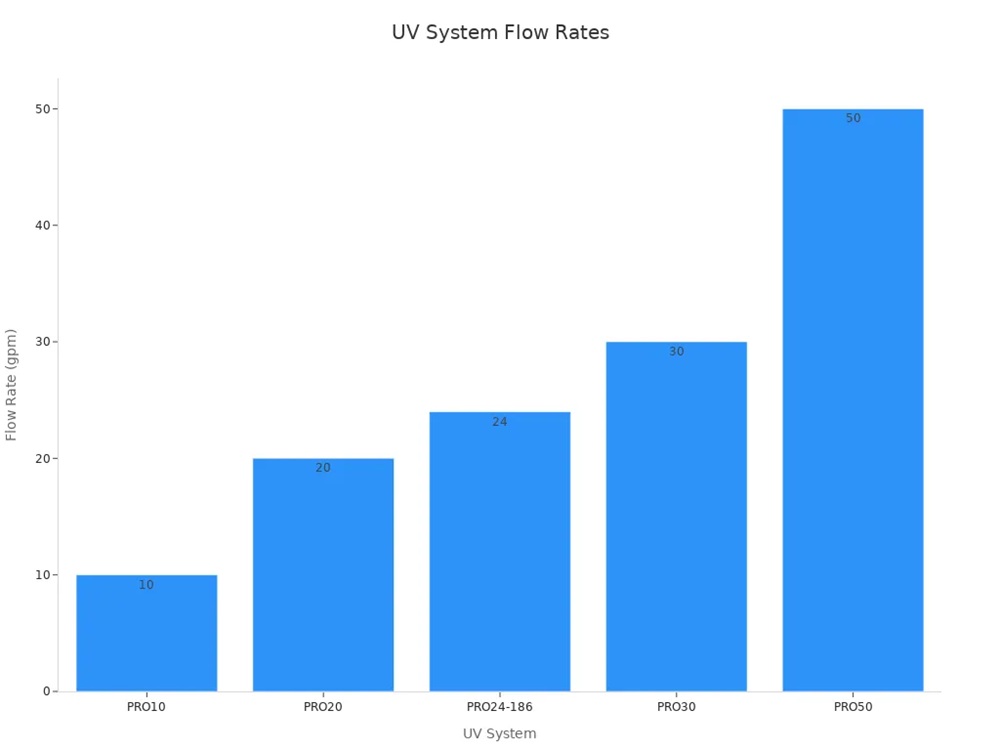
You can apply this technology across many hospitality tasks:
These uv sterilization systems deliver commercial water safety for hotels and restaurants. The same ultraviolet (uv) light disinfection principle supports surface sterilization in guest rooms and dining areas. You gain a chemical-free layer of protection for every guest.
You now see uv sterilization technology across five core areas in 2026: healthcare, food processing, water treatment, air purification, and surface sterilization. Each one shares a common thread. The disinfection is chemical-free and automated, so you get repeatable results without residue.
Advanced platforms such as the Ultraviolet Water Treatment System show how sterilization scales for industrial and municipal water needs. The market is projected to grow at a 13.4% CAGR from 2026 to 2033, with growth above 12% toward 2030. UV disinfection is now a foundational safety layer, not just an emergency response tool.
UV-C light at 253 nm penetrates microbial cells and damages their DNA and RNA. Without intact genetic material, bacteria, viruses, and fungi cannot replicate. This process takes only seconds. You get chemical-free disinfection with no residue left behind on surfaces, in air, or in water.
In many applications, yes. UV systems deliver reliable microbial inactivation without chlorine, ozone, or heat. You avoid chemical byproducts and taste changes. Some facilities still use UV as a final polishing step alongside other methods. The choice depends on your specific water quality goals and regulatory requirements.
You need to replace lamps periodically because UV-C output declines over time. Quartz sleeves also need cleaning to maintain light transmission. Many modern systems include intensity sensors that alert you before dose drops below target. A PLC control Automatic UV system can automate monitoring and send fault codes to your team.
Yes. UV-C treatment adds no chemicals and causes no flavor change. You can disinfect containers, caps, and packaging surfaces in seconds. The method achieves a 4-log reduction on clear containers. Colored or thick plastics may need a longer cycle. Food safety teams rely on this approach daily.
Copyright @ Esegen (Guangzhou) Technology Co., Ltd All Rights Reserved.
 Network Supported