Call us Anytime
+8613570976228



Application and Advantages of Sodium Hypochlorite Generators in Large Swimming Pools and Water Parks
Large public swimming pools and water parks are characterized by large water volumes, significant fluctuations in visitor traffic, frequent human contact, and substantial variations in pollutant loads. Pool water disinfection is therefore a critical measure to safeguard visitor health and prevent the transmission of Legionella, intestinal microorganisms, and cross-cutaneous diseases. Conventional disinfection methods—such as the procurement of commercial sodium hypochlorite stock solutions, liquid chlorine, or chlorine dioxide—exhibit numerous shortcomings in terms of safety control, transportation and storage requirements, operational costs, and control of disinfection by-products. In recent years, on-site sodium hypochlorite generators, which utilize table salt as raw material and employ an electrolysis process to locally produce sodium hypochlorite disinfectant solutions, have emerged as one of the predominant disinfection solutions for large swimming pools and water parks.
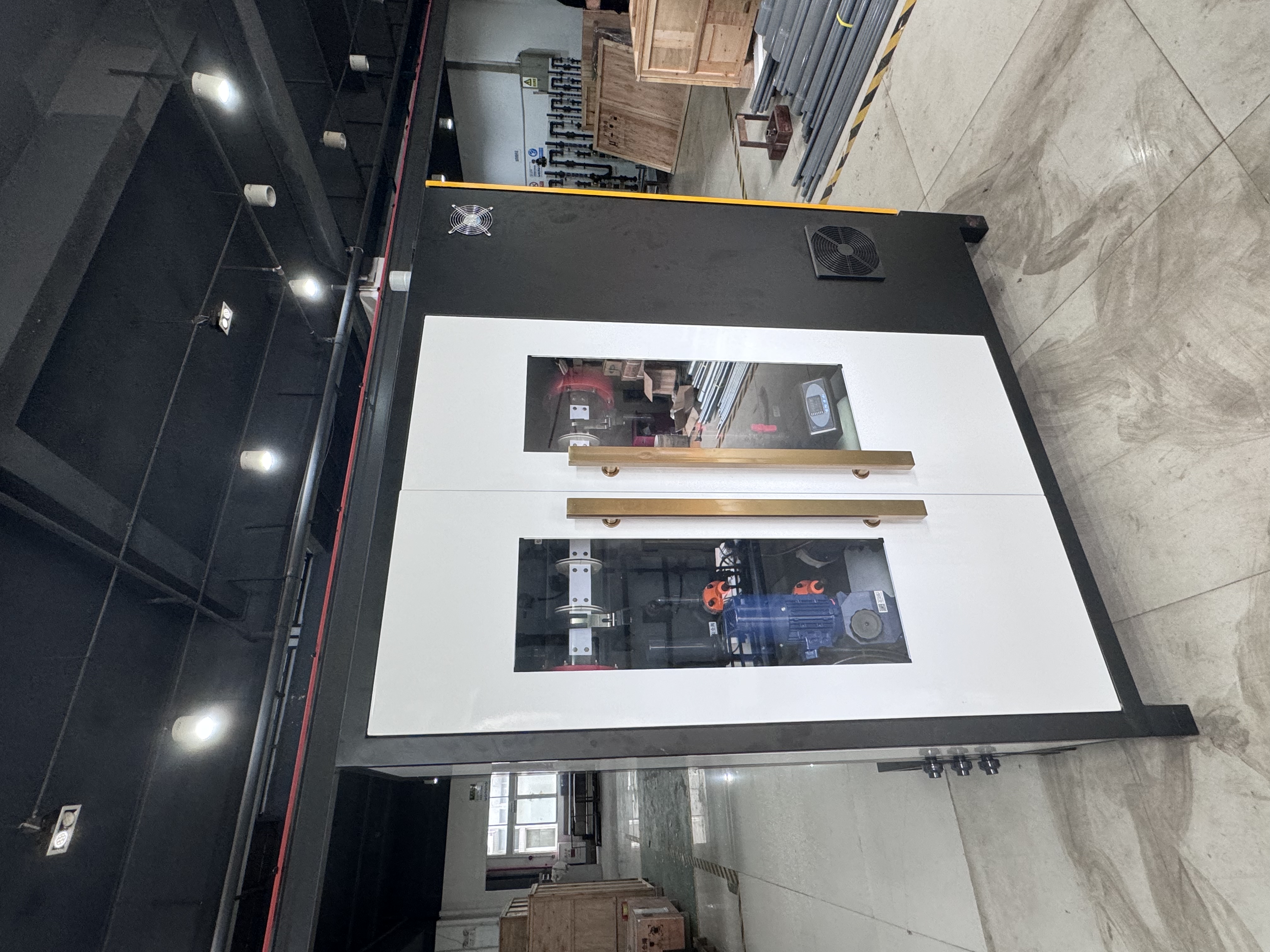
The sodium hypochlorite generator employs a low-concentration brine electrolysis process, wherein a sodium chloride solution is subjected to direct current (DC) electrolysis within either a diaphragm-free or diaphragm-equipped electrolytic cell to produce sodium hypochlorite disinfectant solution. The only raw materials required are industrial soft water and food-grade salt; the solution is generated on-site and used immediately. The resulting disinfectant solution—a low-concentration sodium hypochlorite solution (typically containing 0.6%–0.8% available chlorine)—is directly fed into the circulation piping system to enable continuous sterilization of the pool water. The complete system integrates a salt dissolution unit, a soft water unit, an electrolysis core unit, a chemical storage tank, a dosing metering pump, and an online residual chlorine/pH monitoring system coupled with a PLC-based automatic dosing interlock mechanism, making it fully compatible with swimming pool water circulation systems.
Liquid chlorine is a highly toxic hazardous chemical; leaks from its storage cylinders pose risks of leakage and poisoning. Given the high population density in water parks, such leaks could easily lead to major safety incidents. Commercially procured high-concentration sodium hypochlorite stock solution is a corrosive chemical; during long-distance transportation and on-site storage, it is prone to decomposition and loss of efficacy, and leaks from storage tanks can corrode buildings and equipment. Sodium hypochlorite generators utilize only ordinary industrial salt as their raw material; since table salt is not classified as a hazardous chemical, its procurement, handling, and storage are simple and safe. With on-site preparation of the disinfectant solution and storage at low concentrations, even in the event of minor leakage, the associated hazards are significantly lower than those posed by liquid chlorine or high-concentration commercial sodium hypochlorite, making this approach highly suitable for water parks and swimming pools with dense occupant populations.
Sodium hypochlorite exhibits broad-spectrum bactericidal properties, effectively inactivating bacteria, viruses, algae, and fungi; it can control common pathogenic microorganisms in swimming pools and inhibit the growth of biofilms on pool walls and pipelines. In large-scale water parks, visitor numbers peak during the daytime and decline in the evening, leading to significant fluctuations in the organic load of the water body. The system can be integrated with an online residual chlorine sensor, enabling the PLC to automatically adjust electrolysis output and chemical dosing flow rate based on real-time residual chlorine measurements. This achieves closed-loop automated chemical dosing, maintaining stable residual chlorine levels within specified regulatory ranges—thereby preventing residual chlorine levels from becoming too high (which could irritate visitors' skin and eyes) or too low (which could pose hygiene risks).
When externally procured high-concentration sodium hypochlorite stock solution is stored for extended periods, it undergoes decomposition, yielding by-products such as chlorates and chlorites; whereas liquid chlorine disinfection can readily react with organic compounds in sweat and urine to produce disinfection by-products—including trichloromethane—resulting in a pungent chlorine odor in the pool water and irritation to the respiratory tract. In contrast, fresh sodium hypochlorite produced via on-site electrolysis is immediately dosed after generation, effectively eliminating the risk of chlorate accumulation associated with long-term storage. Under equivalent residual chlorine conditions, the pool water exhibits a significantly reduced pungent odor, which substantially mitigates issues such as eye stinging, dryness, and itching in visitors, thereby enhancing the overall visitor experience.
Large-scale water parks typically contain water volumes ranging from several thousand to tens of thousands of cubic meters, with water circulation operating 24 hours a day without interruption. Compared to purchasing pre-made sodium hypochlorite solutions, on-site electrolysis requires only table salt, a small amount of electrical energy, and softened water, while the procurement cost of the raw material—table salt—is significantly lower. Under prolonged continuous operation, the overall chemical costs are lower than those associated with the ongoing procurement of ready-made disinfectant solutions. Additionally, the entire system features a high degree of automation; during normal operation, only periodic salt replenishment is required, which reduces the workload for manual operation and maintenance, thereby minimizing the need for personnel involved in chemical procurement, unloading, and replacement of storage tanks.
The modular design of the sodium hypochlorite generator complete equipment suite allows for the configuration of independent dosing points tailored to specific pool zones (wave pool, children's play pool, slide pool). Water parks can deploy multiple generators in parallel based on the water circulation rates of different pools, enabling seamless capacity transition from low load during off-peak seasons to full load during peak seasons. The system also features integrated alarm and interlock functions—automatic alarms for low salt concentration, low liquid level, communication failure, and equipment overload—allowing integration with a centralized control system. This enables operations and maintenance personnel to monitor operational parameters directly from the control room, facilitating efficient management.
1. Water quality pretreatment: When the raw water has high hardness, a water softener must be installed to prevent scaling in the electrolysis cell; acid cleaning or reverse polarity descaling schemes may be selected, depending on the operational and maintenance conditions of the project.
2. Disinfectant dosing configuration: The disinfectant is dosed at the downstream end of the recirculation pump to ensure thorough mixing of the chemical agent, while avoiding other disinfection units—such as UV and ozone systems—to prevent premature depletion of available chlorine.
3. Pool zoning control: Given the significant differences in pollution loads across various pools in the water park (particularly higher pollution levels in children's pools and wave pools), it is recommended that each circulation loop be equipped with independent residual chlorine monitoring and dosing control systems.
4. Supporting ventilation and corrosion protection measures: Given that trace amounts of hydrogen gas may be released from the generator equipment room, reliable exhaust ventilation must be installed; additionally, the walls and floors shall undergo corrosion protection treatment to prevent sodium hypochlorite splashes from corroding the concrete surfaces.
5. Standardized monitoring: continuous online monitoring of residual chlorine, pH, and ORP, combined with periodic manual sampling, to comply with the requirements of the "Swimming Pool Water Quality Standards."
As safety management standards and water quality hygiene requirements for public recreational facilities become increasingly stringent, sodium hypochlorite generators are emerging as the preferred disinfection solution for large swimming pools and water parks. This is due to their advantages, including on-site production, low risk associated with hazardous chemicals, high levels of automation, and controllable levels of disinfection by-products. By implementing proper system design, water pretreatment, and routine operation and maintenance practices, these systems can ensure long-term, stable hygiene and safety of pool water, while balancing operational safety, visitor experience, and the overall life-cycle costs of the facility.
Copyright @ Esegen (Guangzhou) Technology Co., Ltd All Rights Reserved.
 Network Supported