Calculation of Available Chlorine I. Definition The available chlorine content in chlorine-based disinfectants does not refer to the amount of chlorine but rather to the oxidizing capacity of the disinfectant, expressed as the equivalent oxidizing capacity of chlorine. Specifically, it represents the amount of chlorine gas whose oxidizing capacity matches that of a given quantity of the dis...
Explanation on Explosion Protection of Sodium Hypochlorite Generator Equipment I. Interpretation based on GB 50058-2014 "Code for Design of Electrical Installations in Explosive Atmospheres": 2.0.10 Explosive Gas Atmosphere An atmosphere in which a mixture of flammable substances in the form of gas or vapor with air, under atmospheric conditions, can ignite and sustain combustion aft...
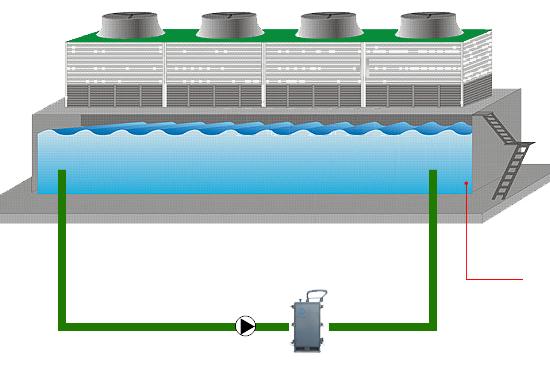
Seawater Electrolysis Chlorine Generation for Cooling Tower Biofouling Control Seawater electrolysis for chlorine generation is an efficient and environmentally friendly technology widely used in industrial settings requiring seawater cooling, such as coastal power plants and chemical plants. 1. Technical Principle Seawater electrolysis generates sodium hypochlor...
On the prolonged journey to ensure drinking water safety, we must not only address "visible" issues but also tackle a series of "invisible" threats—such as the persistent challenges posed by protozoa like Cryptosporidium and Giardia, as well as chlorine-resistant pathogens. While traditional chlorination is widely used, it may have certain limitations in dealing with some resilient microorga...
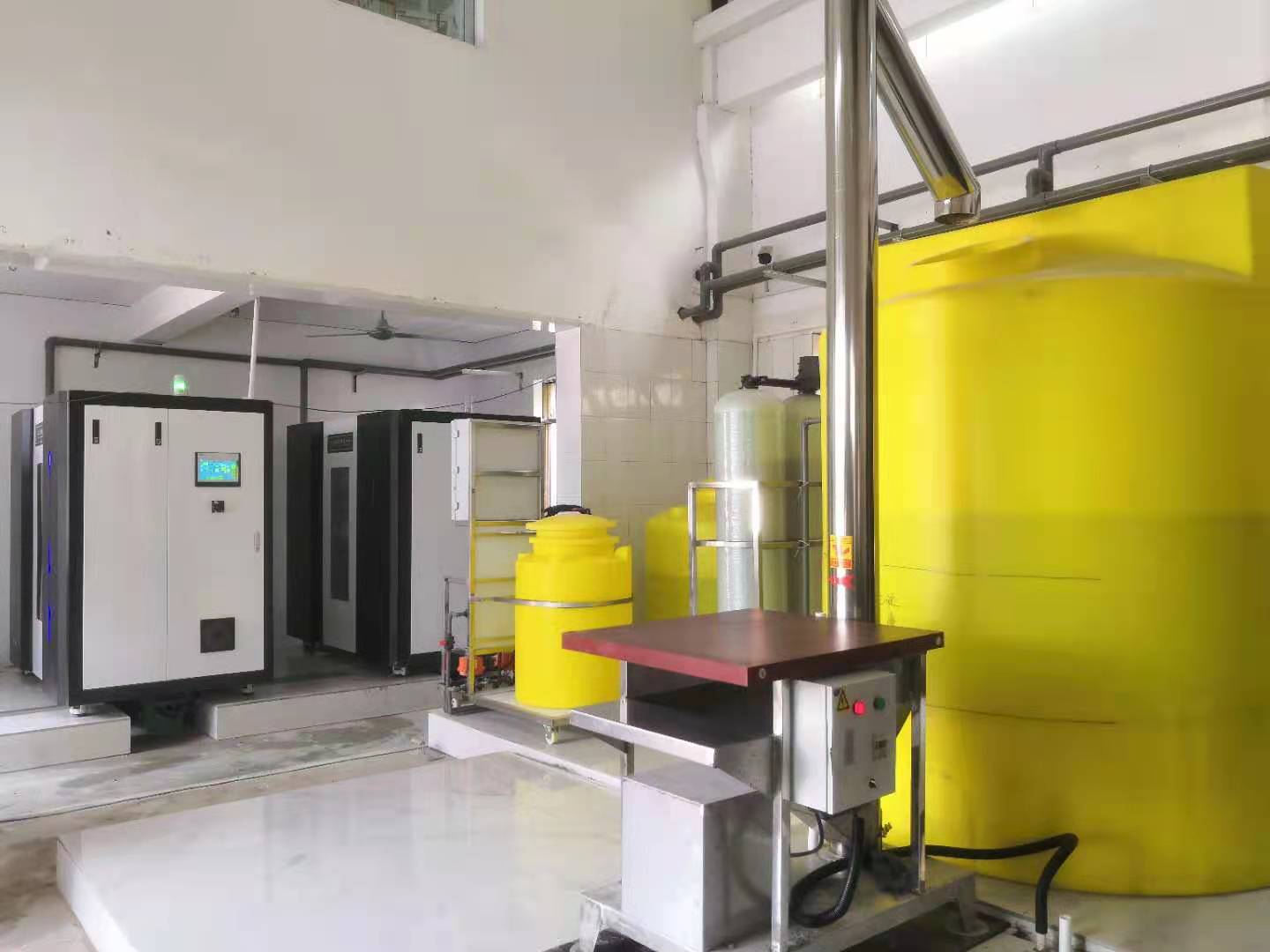
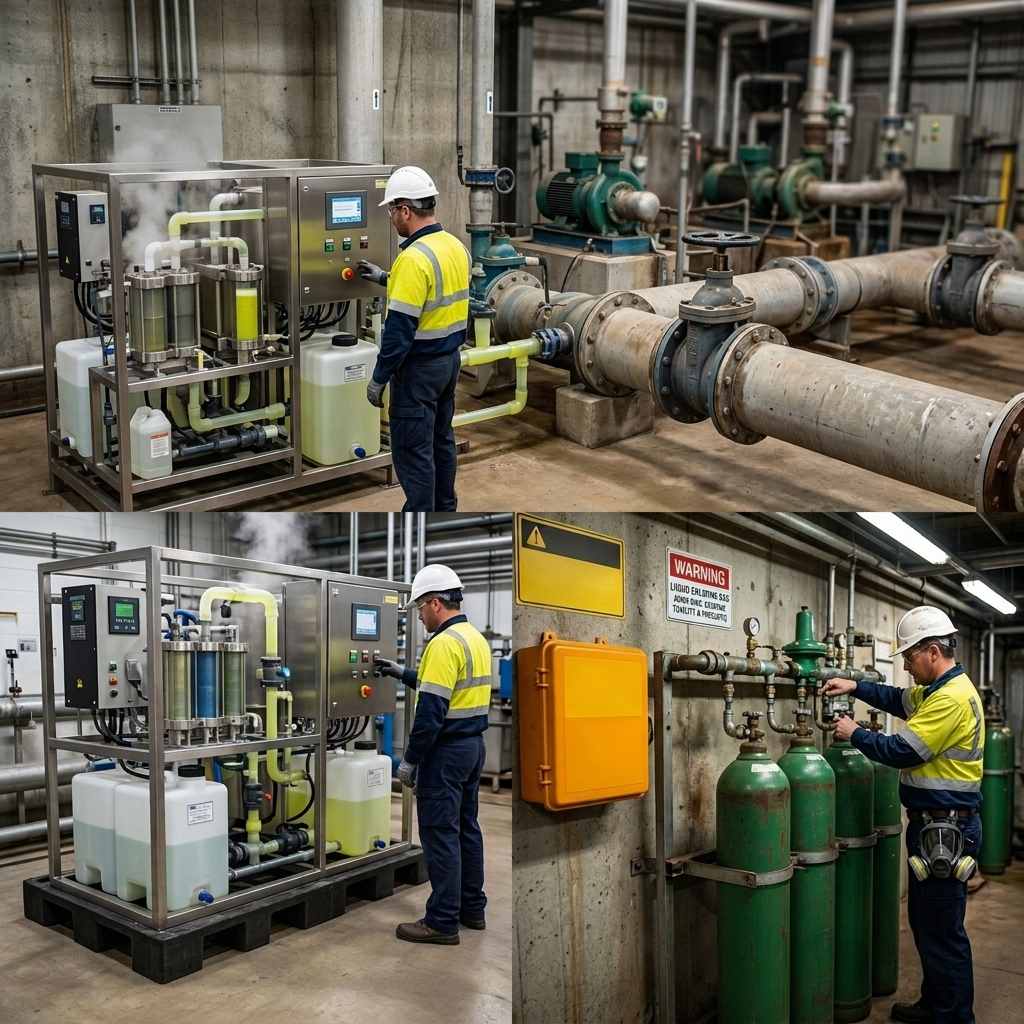
Application of Sodium Hypochlorite Generators to Replace Chlorine Gas in Water Treatment Plants Abstract As a traditional drinking water disinfection process, liquid chlorine has been widely adopted in water plants in China and overseas regions for a long time due to its cost advantages. Nevertheless, liquid chlorine is a highly toxic hazardous chemical with substantial safety risks in transportat...
When designing or upgrading industrial water disinfection facilities, project managers and EPC contractors often face a critical architectural dilemma: should they stick with traditional chlorine gas or transition to a modern sodium hypochlorite generator? As safety regulations become more stringent and supply chain vulnerabilities increase, evaluating the true total cost of ownership (TCO) has ne...
Esegen (Guangzhou) Technology Co., Ltd is a technology-driven enterprise specializing in environmental protection equipment R&D. Our company is headquartered in Germany, we are dedicated to serving the global water treatment market.. With decades of expertise in catalytic oxidation, electrolysis, disinfection, and the R&D, design, and manufacturing environmental protection equipment, we are one of the most experienced companies in this field and recognized as a High-Tech Enterpris...
Room 814, Building 8, No. 80, Shilian Road (Shiqi Village Section), Shiqi Town, Panyu District, Guangzhou, China